The Ultimate Guide for Atlanta Newcomers (2026 Edition) 🏙️
Atlanta is one of the fastest-growing cities in the United States, known for its dynamic economy, diverse culture, and rich history. If you’re planning to move here in 2026 or have just arrived, this guide will provide you with essential, up-to-date information on what living in Atlanta is really like. From cost of living and neighborhoods to transportation, job markets, and social life, this comprehensive resource will help you settle in quickly and confidently.
What It’s Really Like Living in Atlanta
Population & Growth 👥📈
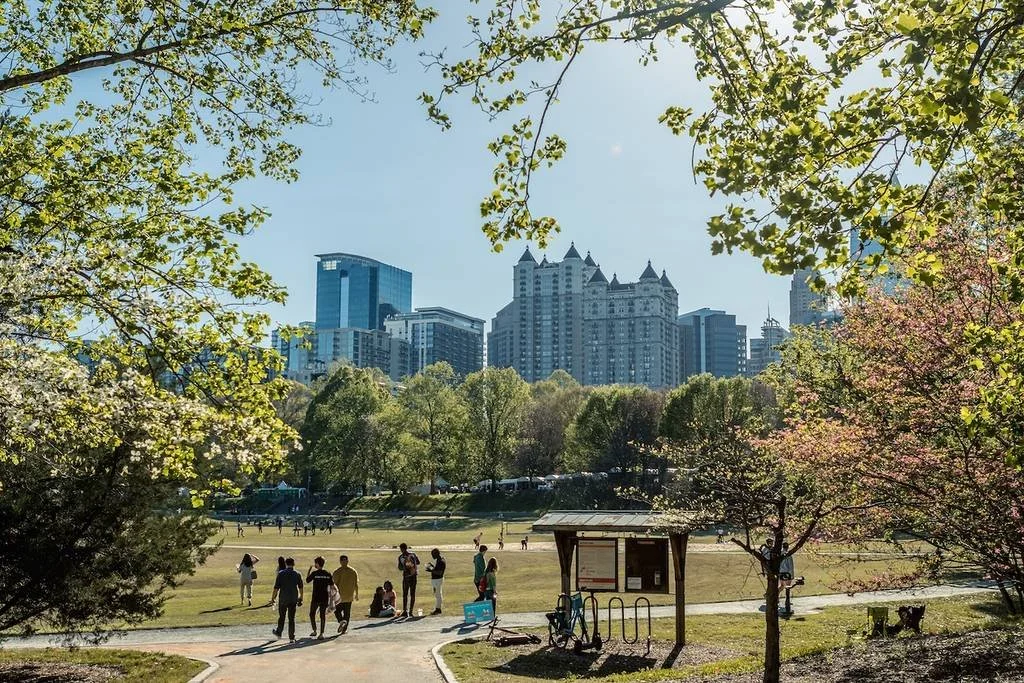
As of 2025, Atlanta’s metropolitan area is home to over 6 million people, making it the ninth-largest metro area in the U.S. The city proper has around 520,000 residents, but the surrounding suburbs are rapidly expanding due to strong economic growth and a high quality of life.
Cost of Living 💰🏠
Atlanta offers a more affordable cost of living than many other major U.S. cities such as New York, San Francisco, or Washington D.C. According to the latest data (2025):
Median rent for a 1-bedroom apartment in the city: $1,700/month
Median home price: Approximately $430,000 (varies widely by neighborhood)
Utilities (electricity, heating, cooling, water): $150–$200/month average
Groceries: Around 5-10% lower than the national average
Transportation costs: Public transit monthly pass $95; gas prices align with national averages (~$3.50/gallon)
Moving to Atlanta requires preparation whether you're coming from across the country or the state.
Job Market & Economy 💼💻🎬🏥🚚
Atlanta’s economy is robust and diversified, with key industries including:
Technology: Over 1,000 tech companies, including cybersecurity, fintech, and software development.
Film & Entertainment: Known as the “Hollywood of the South,” with 1,000+ productions each year.
Healthcare: Major medical centers including Emory Healthcare and Piedmont Healthcare.
Logistics & Transportation: Thanks to Hartsfield-Jackson Atlanta International Airport, the busiest airport worldwide, and major highways, Atlanta is a national logistics hub.
Unemployment rates hovered around 3.7% as of late 2025.
Culture & Neighborhoods 🎭🏘️🖼️
Atlanta is culturally rich and diverse. Key neighborhoods each offer a distinct experience:
Midtown: Arts district with theaters, museums, and walkability.
Buckhead: Upscale with luxury shopping, dining, and corporate offices.
Old Fourth Ward: Historic area with revitalized spaces and vibrant street art.
East Atlanta Village: Known for its creative, bohemian vibe.
West Midtown: Rapidly developing with startups and innovative dining options.
Transportation & Getting Around 🚗🚉🚲
Atlanta is historically car-dependent, with an average commute time of about 32 minutes. Alternatives include:
MARTA: City rapid transit system (rail and bus lines).
Ride-shares: Uber and Lyft widely used and affordable.
Biking & Walking: Limited but growing infrastructure; BeltLine project expanding paths.



Final Thoughts ✨🚀
Relocating to Atlanta in 2026 means joining a vibrant city on the rise. With strong job markets, affordable living, and a welcoming social scene, your new life in Atlanta starts here. Use this guide to explore, plan, and thrive.
Moving to a new city can feel overwhelming, but Atlanta makes it worth it with its charm, energy, and opportunity. Use this guide as your Checklist, and you'll live like a local in no time.
🎯 Want to meet other professionals, business owners, and creatives?
👉 Join Buckhead Networking Group
📸 Follow us on Instagram for Atlanta tips & updates:
@buckheadnetworkinggroup @buckhead_tv